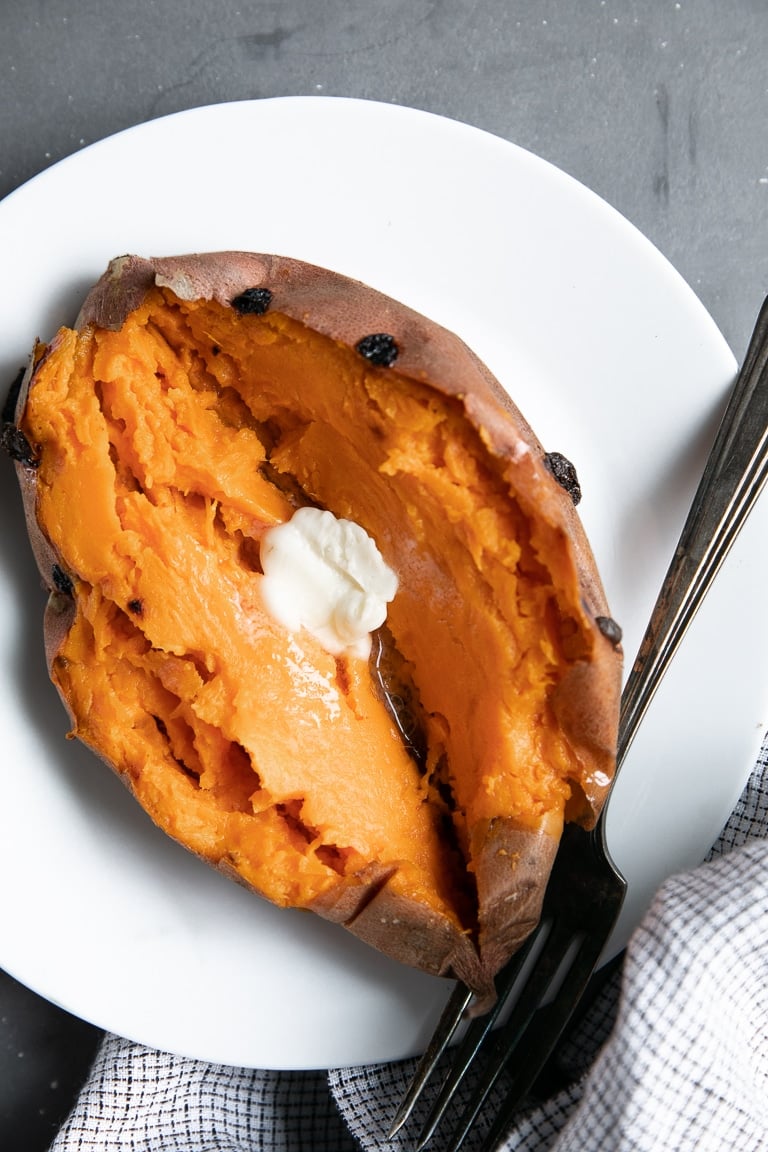
How to Bake Sweet Potatoes: Achieve Fluffy Insides & Crispy Skins
There’s nothing quite as comforting and satisfying as a perfectly baked sweet potato. With its naturally sweet, earthy flavor, vibrant color, and incredible versatility, it’s a nutritional powerhouse that deserves a place on your plate. Yet, many home cooks find themselves frustrated, unable to replicate the tender, melt-in-your-mouth fluffiness and wonderfully crispy skin often found in restaurant-quality sweet potatoes.
If you’ve ever wondered how to bake sweet potato to achieve that elusive perfection – a pillowy, soft interior encased in a delightfully crisp skin – you’re in the right place. Forget soggy results or tough centers. We’re about to unlock the secrets to baking sweet potatoes that are so good, they might just become your new favorite side dish or light meal. Get ready to transform your sweet potato game!
Why Sweet Potatoes Are a Kitchen Staple
Beyond their incredible taste, sweet potatoes are lauded for their impressive nutritional profile. Packed with vitamins (especially A and C), minerals, and fiber, they offer a healthier alternative to white potatoes with fewer calories. They are incredibly adaptable, serving as a hearty side dish, a base for a nutritious lunch, or even a component in decadent desserts. Learning how to bake sweet potato properly enhances its natural sweetness, making it a delicious and guilt-free indulgence.
The Secrets to Fluffy Insides and Crispy Skins
Achieving that ideal contrast between a melt-in-your-mouth interior and a wonderfully crispy skin isn't just about throwing a potato in the oven. It involves a few strategic steps that make all the difference. Here’s what you need to know:
Turn Up the Heat: High Temperature for Caramelization
One of the most crucial elements when learning how to bake sweet potato is the oven temperature. Don't be shy with the heat! While lower temperatures might cook them through, a higher temperature, typically between 400-425°F (200-220°C), is essential for several reasons:
- Caramelization: Sweet potatoes are naturally rich in sugars. High heat encourages these sugars to caramelize on the surface, creating that appealing slightly sweet, crunchy sheen and deepening their overall flavor.
- Crispy Skin: The intense heat helps to quickly evaporate moisture from the skin, preventing it from steaming and ensuring it becomes wonderfully crisp.
- Faster Cooking: A hotter oven means less cooking time, allowing the inside to become tender without drying out.
The Slashing Technique: Knife Over Fork
If you've traditionally poked your potatoes with a fork, it's time to upgrade your technique. Instead, try using a sharp knife to make about 8-10 crosswise slashes along the length of each sweet potato, about ¼-inch deep. This method offers distinct advantages:
- Even Heat Penetration: The slashes allow heat to reach the center of the potato more efficiently, ensuring uniform cooking.
- Moisture Escape: They act as vents, allowing excess steam and moisture to escape during baking. This prevents a watery, soggy interior and contributes to that desirable fluffy texture.
- Enhanced Crispiness: By releasing moisture, the slashes further aid in achieving a drier, crispier skin.
To dive deeper into the science behind this and other techniques for perfect results, check out our article on Mastering Baked Sweet Potatoes: Hot Oven & Slashing for Best Results.
Dry for Crisp Skin: No Steaming Allowed!
Before any oil or seasoning touches your sweet potato, make sure it is bone dry. After thoroughly washing your potatoes, pat them down vigorously with a clean kitchen towel or paper towels. Any residual moisture on the skin will turn to steam in the hot oven, resulting in a soft, leathery, and undesirable skin instead of a crisp one.
Oil and Seasoning for Flavor and Texture
Don't skip the olive oil! Rubbing the sweet potato skins with a light coat of olive oil (or another high-heat oil like avocado oil) before baking contributes significantly to achieving a crispy skin. The oil acts as a heat conductor, helping the skin to crisp and brown beautifully. A generous sprinkle of coarse salt and freshly ground black pepper will enhance the potato's natural sweetness and add a delicious savory counterpoint.
Step-by-Step Guide: How to Bake Sweet Potatoes Perfectly
Ready to put these tips into practice? Here’s a simple, reliable method for how to bake sweet potato that guarantees fantastic results every time.
Ingredients:
- 4 medium-sized sweet potatoes
- 2 tablespoons olive oil (or avocado oil)
- 1 teaspoon coarse sea salt
- ½ teaspoon black pepper
- Toppings of your choice (see suggestions below)
Instructions:
- Preheat Oven & Prep Pan: Preheat your oven to 425°F (220°C). Line a baking sheet with aluminum foil or parchment paper. This is crucial as sweet potatoes can ooze natural sugars that caramelize and stick to the pan. Lightly coat the foil/parchment with cooking spray for extra insurance.
- Wash & Dry Thoroughly: Scrub the sweet potatoes under running water to remove any dirt. Crucially, dry them completely with a clean towel or paper towels until there is no visible moisture on the skin.
- Slash the Skins: Using a sharp knife, make about 8-10 shallow crosswise slashes (about ¼-inch deep) along the length of each sweet potato.
- Oil & Season: Rub each sweet potato generously with olive oil, ensuring the entire surface is coated. Sprinkle evenly with salt and pepper.
- Bake: Place the prepared sweet potatoes directly on the lined baking sheet. Bake in the preheated oven for 30 minutes.
- Rotate & Finish Baking: After 30 minutes, carefully rotate the baking sheet 180 degrees to ensure even cooking and browning. Continue baking for another 15 to 30 minutes, or until a fork or small knife can be easily inserted into the center of the largest potato with no resistance. The cooking time will vary depending on the size of your sweet potatoes.
- Rest & Serve: Remove the sweet potatoes from the oven and let them rest on the baking sheet for 5 minutes. This allows the internal temperature to equalize and further tenderizes the flesh.
Choosing and Storing Sweet Potatoes
The journey to the perfect baked sweet potato begins at the grocery store. Look for firm, unblemished sweet potatoes that feel heavy for their size. Avoid any with soft spots, wrinkles, or sprouts. Store them in a cool, dark, and well-ventilated place (like a pantry) for up to 2-3 weeks. Refrigerating them can alter their flavor and texture.
Beyond Basic: Creative Topping Ideas
Once you’ve mastered how to bake sweet potato, the possibilities for customization are endless. Here are a few topping inspirations to elevate your dish:
- Classic Sweet: A pat of butter, a sprinkle of brown sugar, cinnamon, and perhaps some toasted pecans or a dollop of maple syrup.
- Decadent Dessert: Miniature marshmallows (broiled for a minute or two until golden), a drizzle of caramel sauce, and chopped walnuts.
- Savory & Tangy: A dollop of Greek yogurt or sour cream, fresh chives, a pinch of chili powder, and crumbled bacon bits.
- Mediterranean Twist: Feta cheese, chopped fresh parsley, a squeeze of lemon juice, and a drizzle of extra virgin olive oil.
- Hearty & Healthy: Black beans, corn, salsa, and a sprinkle of cilantro for a plant-based meal.
Troubleshooting Common Sweet Potato Baking Issues
Even with the best instructions, sometimes things don't go exactly as planned. Here are quick fixes for common problems:
- Soggy Interior: Likely due to insufficient moisture release. Ensure you're making enough slashes and baking at a high enough temperature.
- No Crispy Skin: The primary culprit is often moisture. Double-check that potatoes are thoroughly dry before oiling, and don't skimp on the oil!
- Sticking to the Pan: Always use parchment paper or aluminum foil, coated with cooking spray. The caramelized sugars are delicious but can be very stubborn.
- Uneven Cooking: Rotate your baking sheet halfway through the cooking time, especially if your oven has hot spots.
Achieving truly restaurant-style baked sweet potatoes is a matter of understanding these simple principles, and with a little practice, you'll be consistently turning out perfect results.
Conclusion
Baking a sweet potato to perfection doesn't have to be a mystery. By understanding the importance of high heat, proper moisture management through slashing and drying, and the role of oil and seasoning, you can consistently achieve those coveted fluffy insides and irresistibly crispy skins. This versatile, nutritious, and naturally delicious vegetable is a true kitchen hero. So, armed with these tips and tricks, go forth and bake! Your taste buds (and your health) will thank you.
